


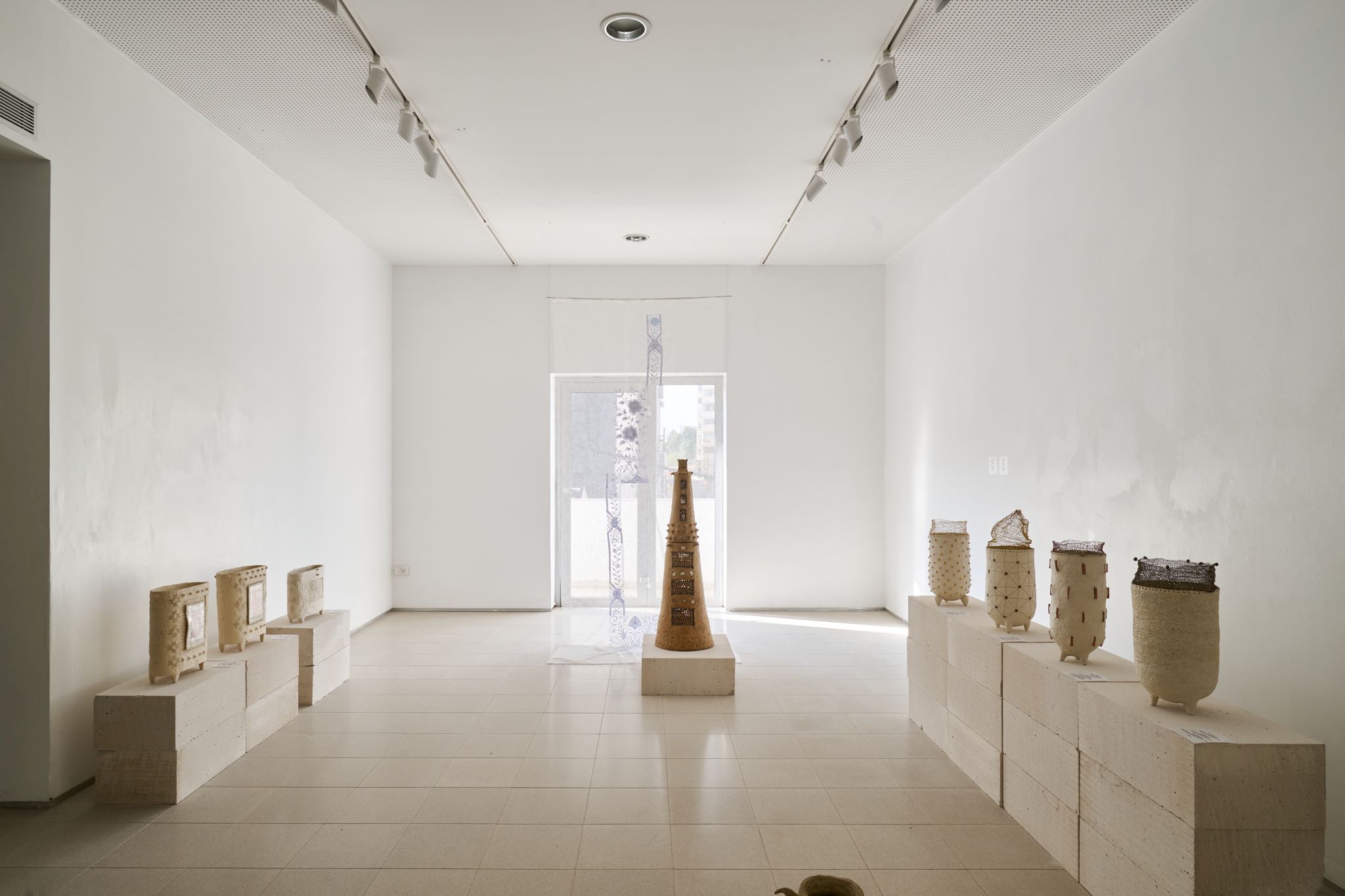
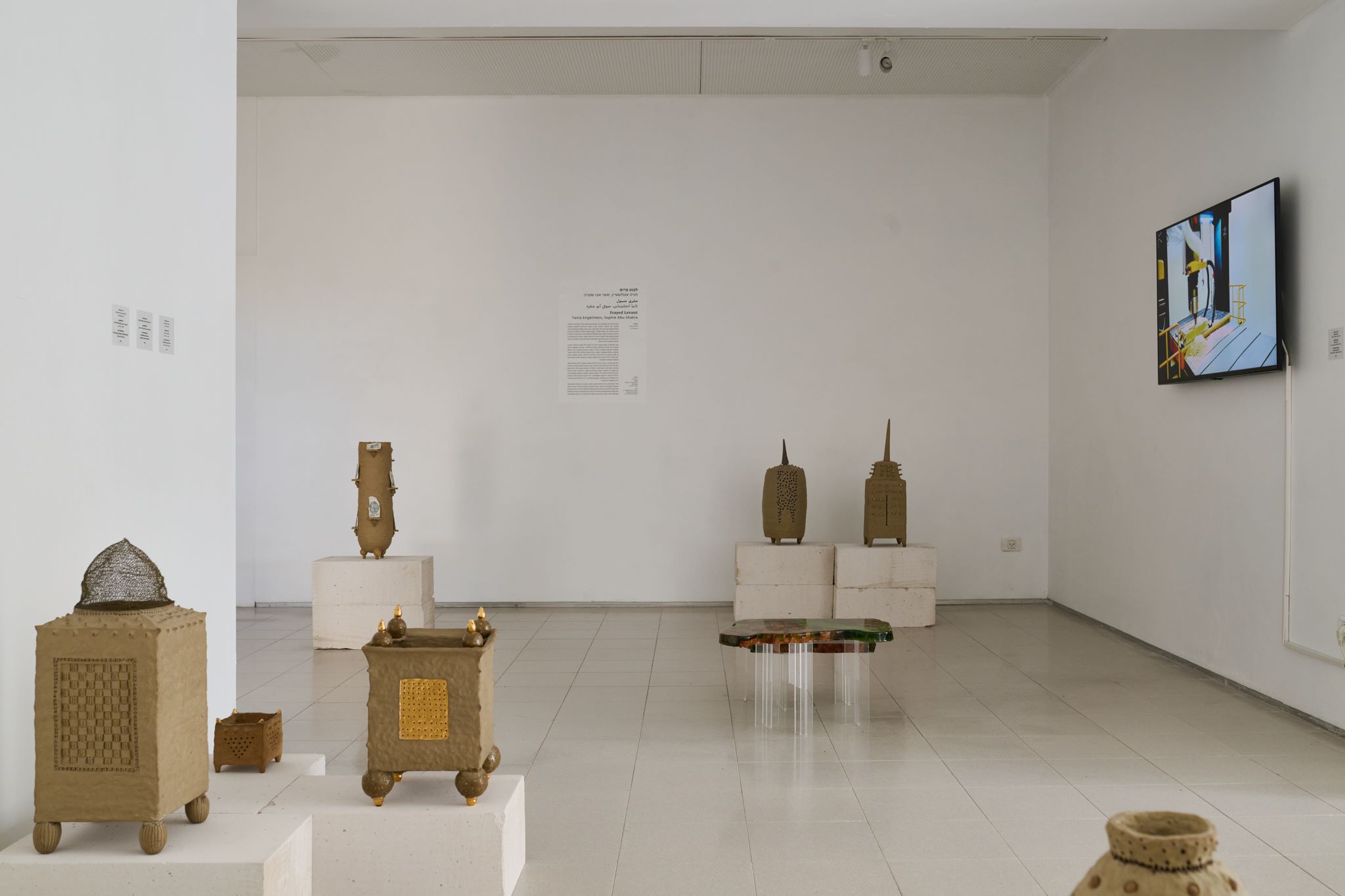
The election campaign and its outcomes unfold during days of a brutal regional war. Political forces mobilize their full power to establish regional separatism. The war solidifies a desire to subdue, conquer, and sever cultural continuities, fulfilling absolute ambitions that unravel the values of discourse and democracy. While authoritarian power exploits the existing order and counter-forces attempt to negate it, an obscure art weaves cultural exchange and moral resistance—one that harbors no illusions of rapid change.[1] The polarization of war generates killing, migration, and displacement, deepens divides, and degrades human values.
At the heart of these contradictions are intertwined the frayed edges that demand slow writing and patient, intergenerational crystallization. In this way, the works of Tania Engelstein and Sophie Abu Shakra weave a Levantine culture rooted in the female experience.
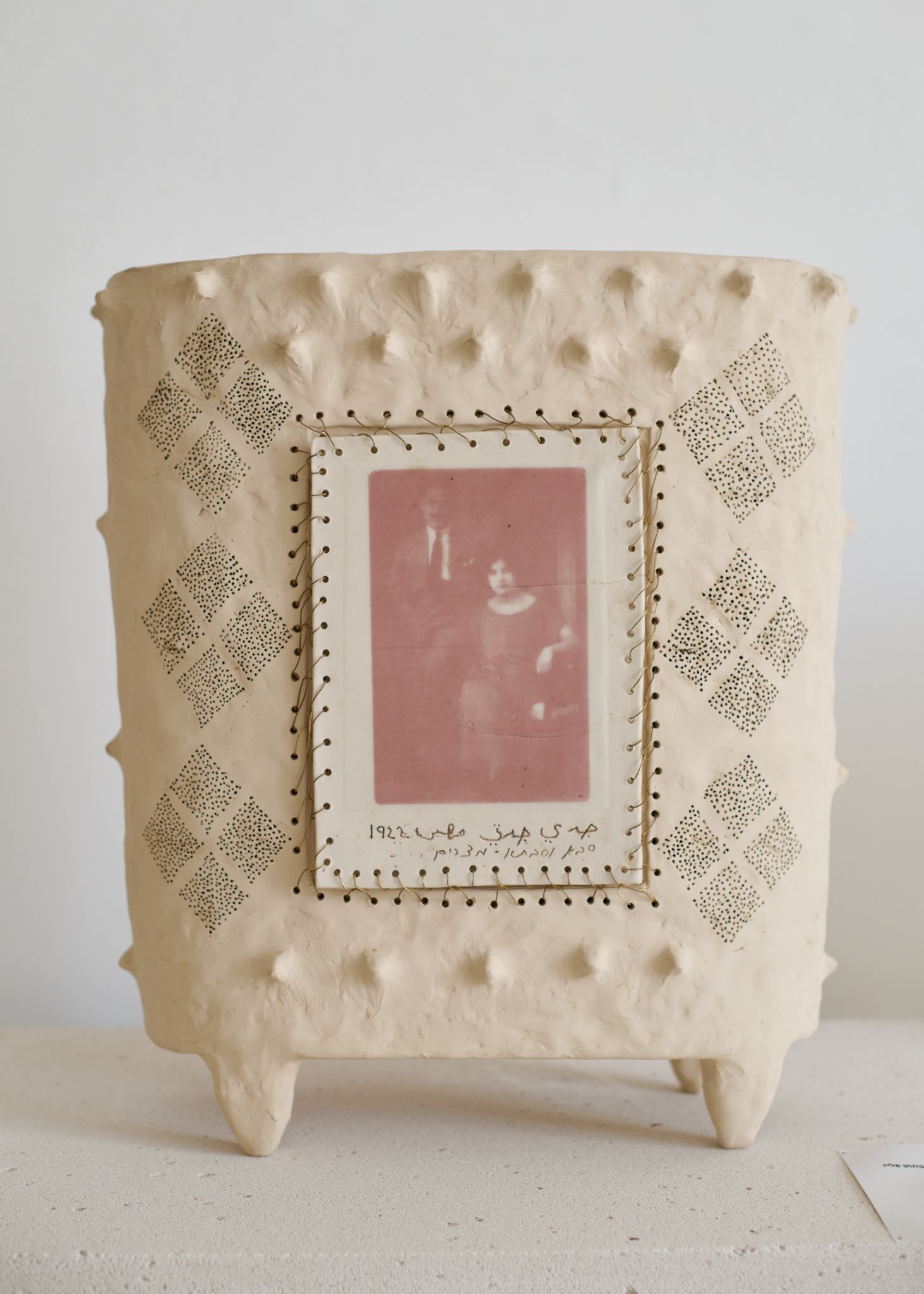
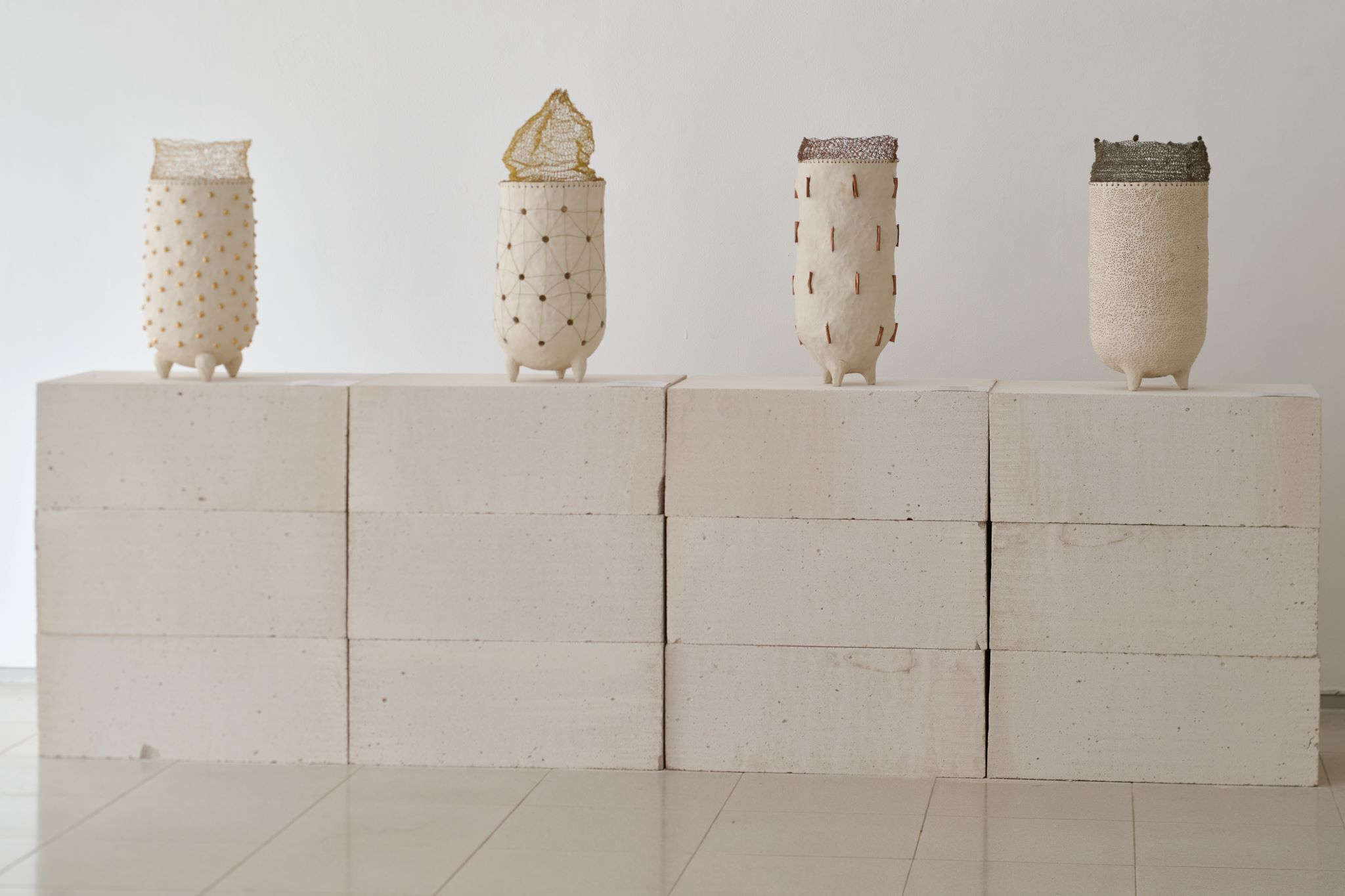
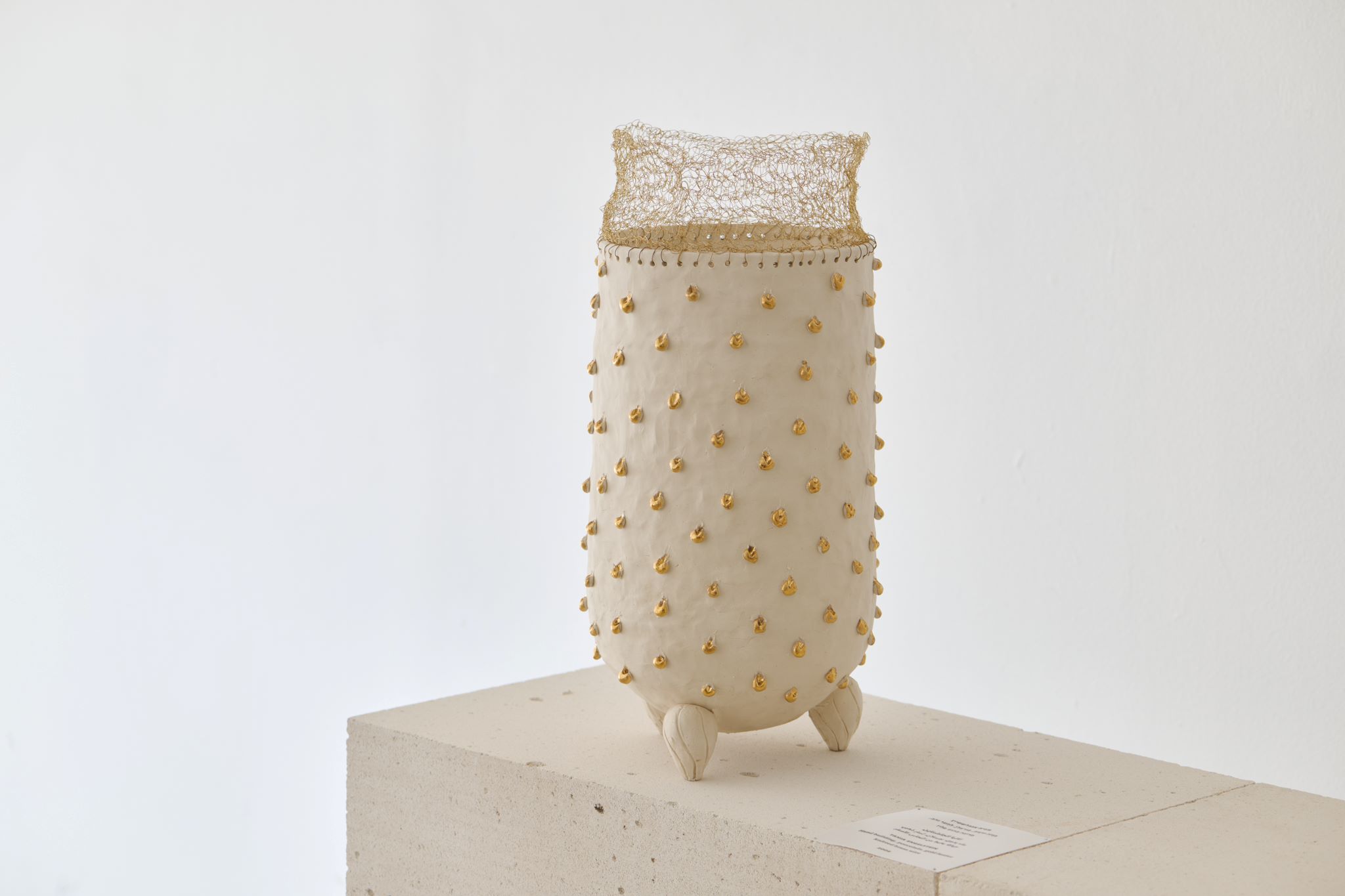
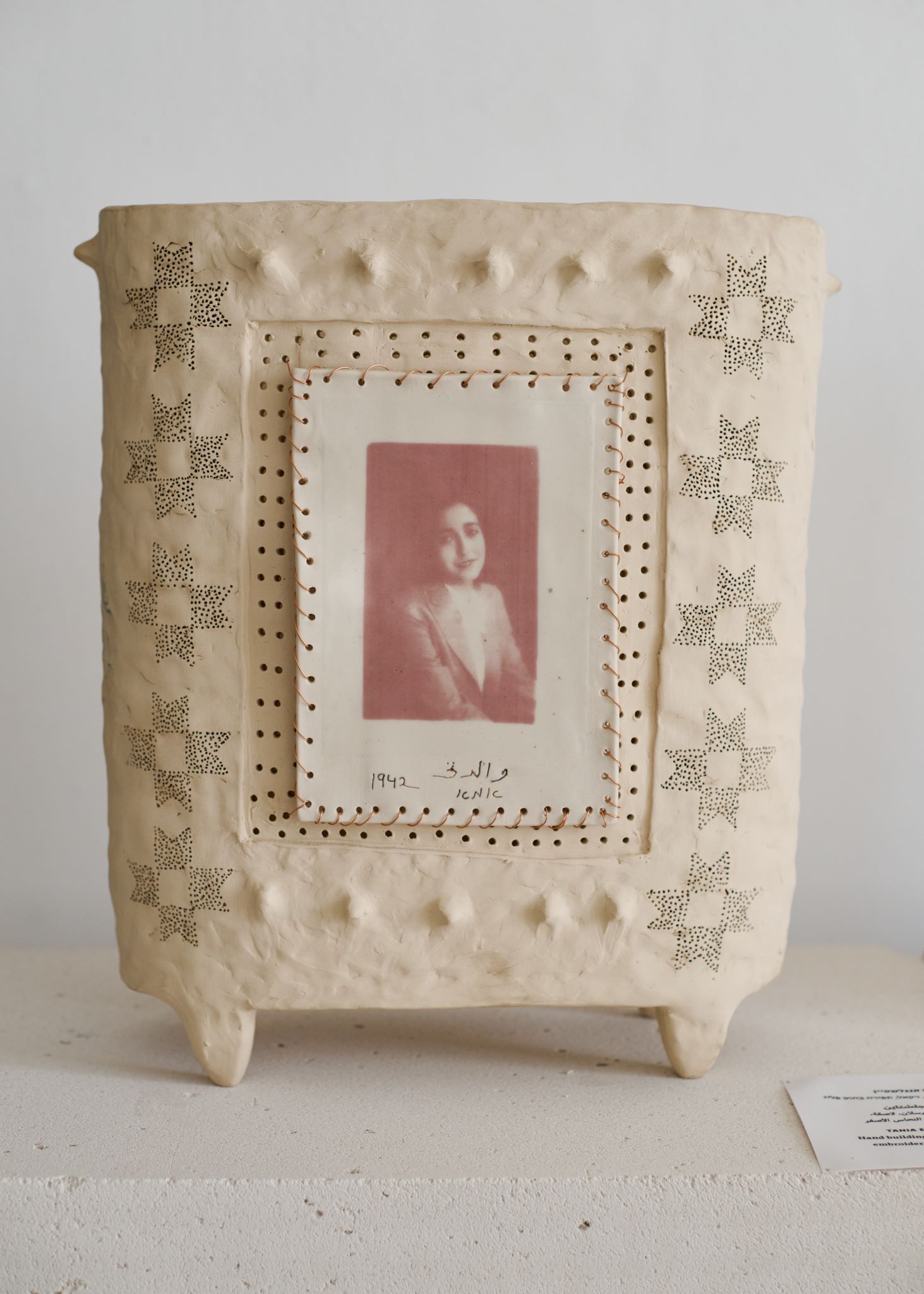
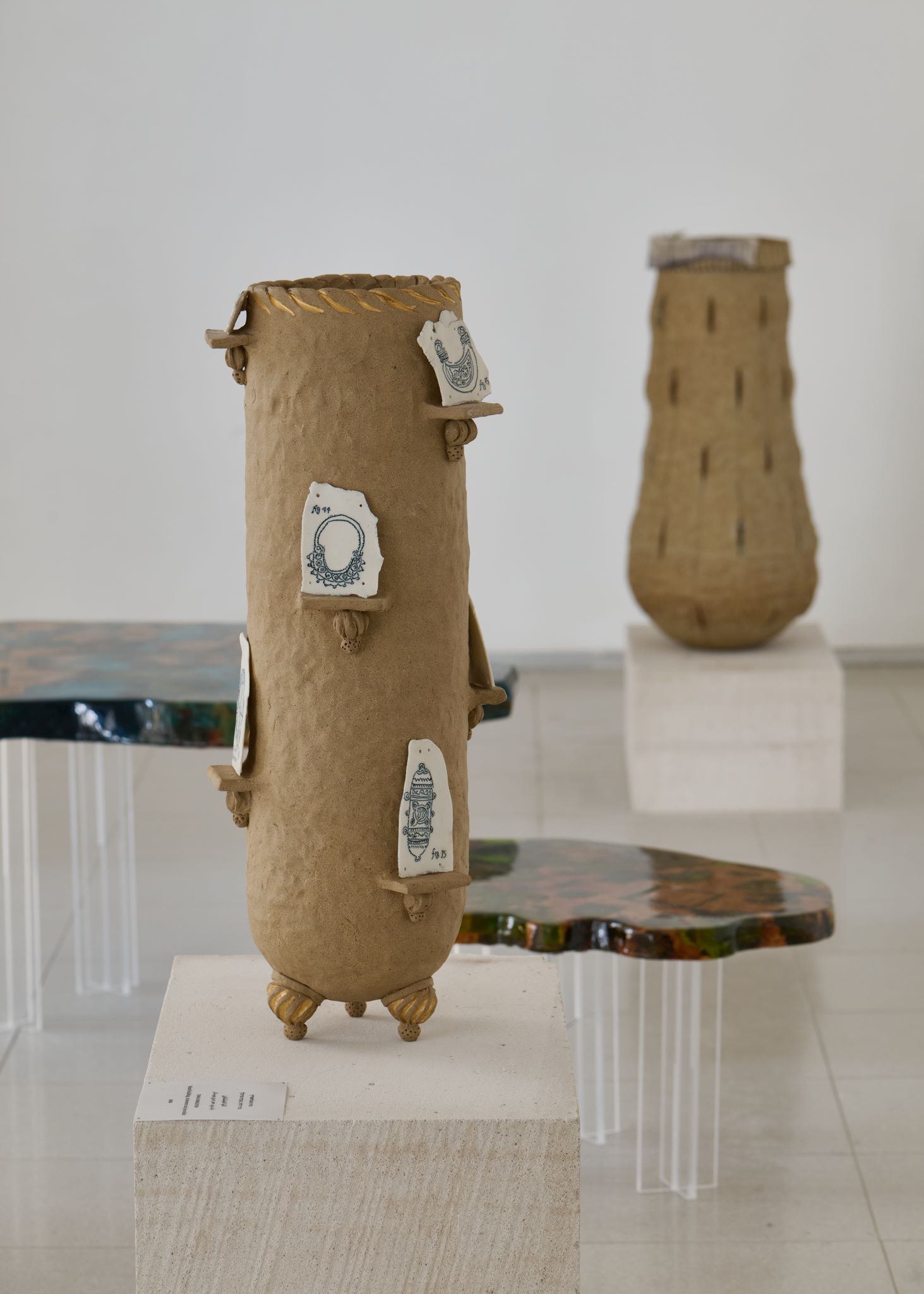
Tania Engelstein (1950–2008), born in Tel Aviv, was a ceramic artist who, from the 1990s onward, created transitions between ceramic vessels and architectural structures. Her works reflect a domestic space rooted in Egypt, forming continuities composed of fragments of home, ornamented textiles, the family photo album, and the presence of “curling Islamic ornament, the smells, tastes, and sounds of Arabic music.”[2] Until her untimely passing, Tania spun a world of “margins” that positioned craft, femininity, and beauty as a distinct Arab-Jewish essence—one that diverges from the map of the conflict and the Western focus characterizing local contemporary art.
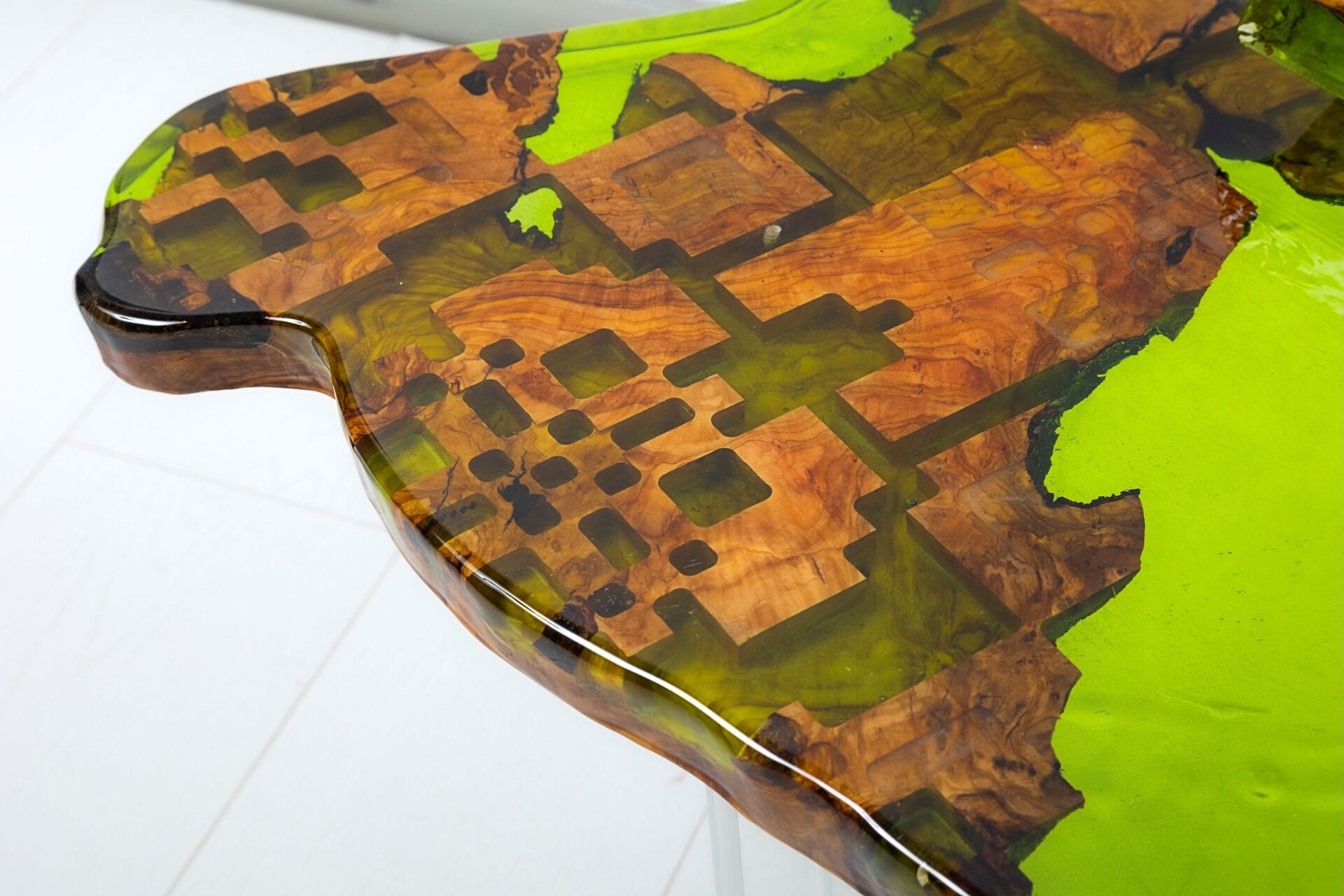
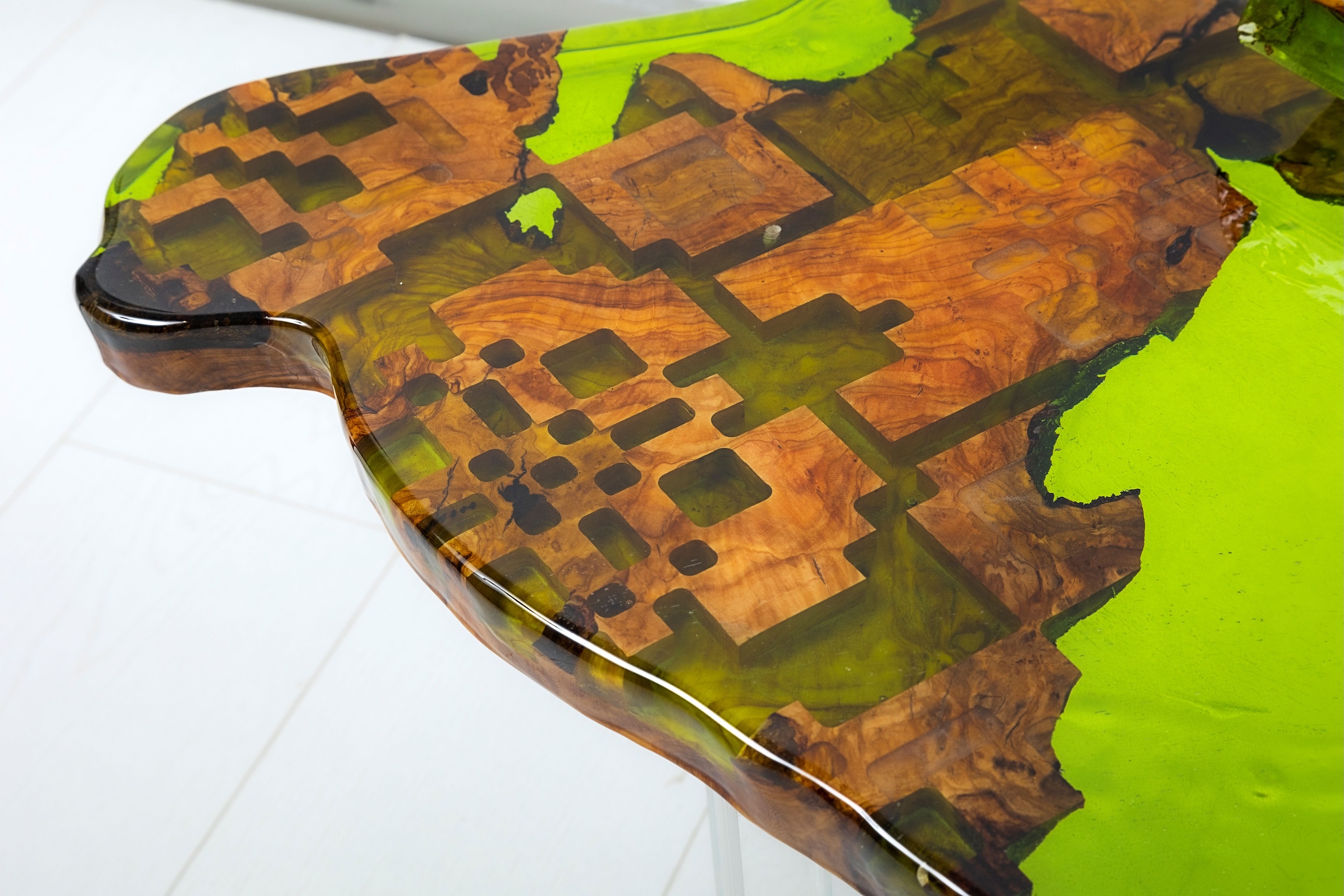
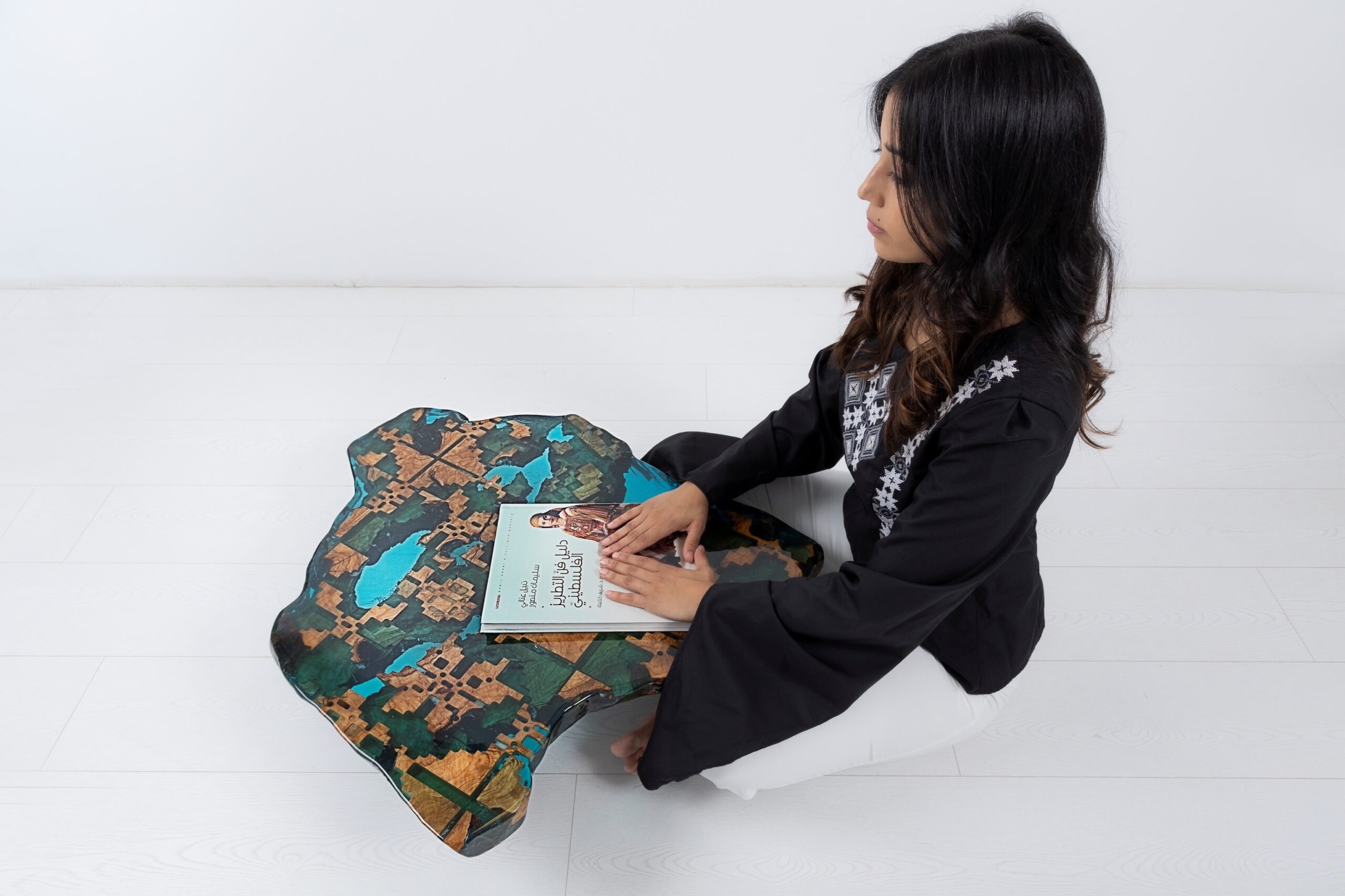
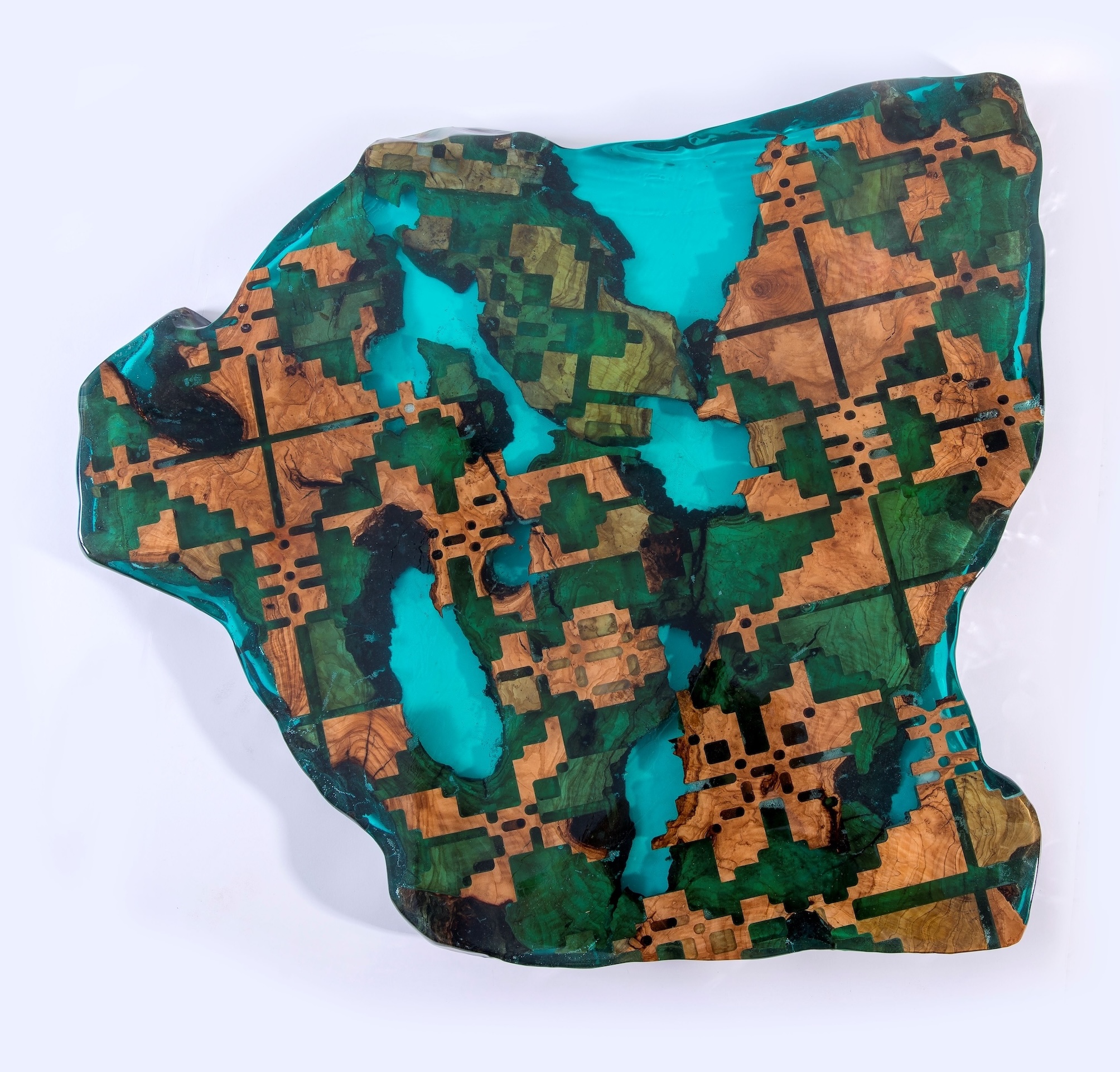
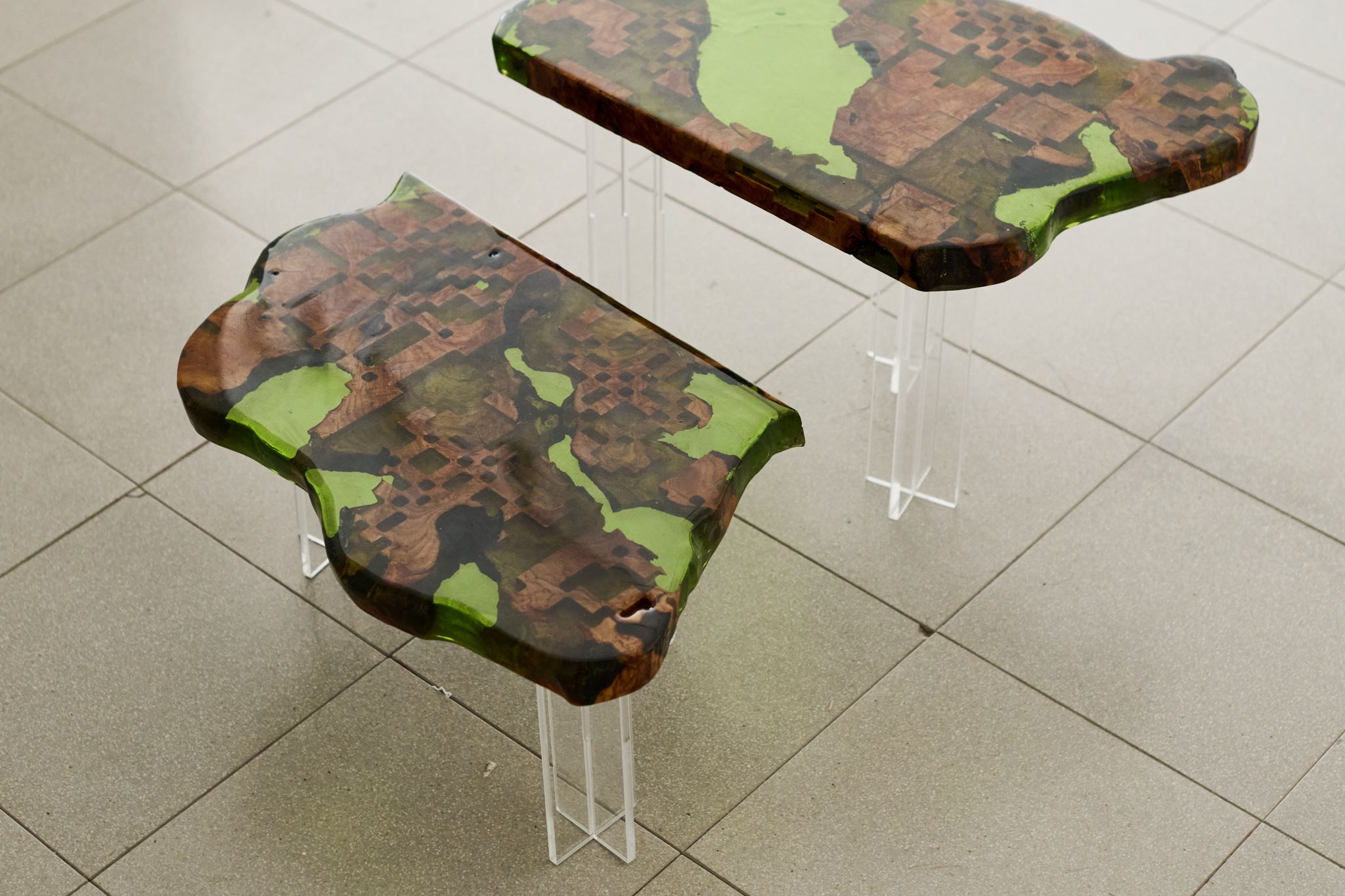
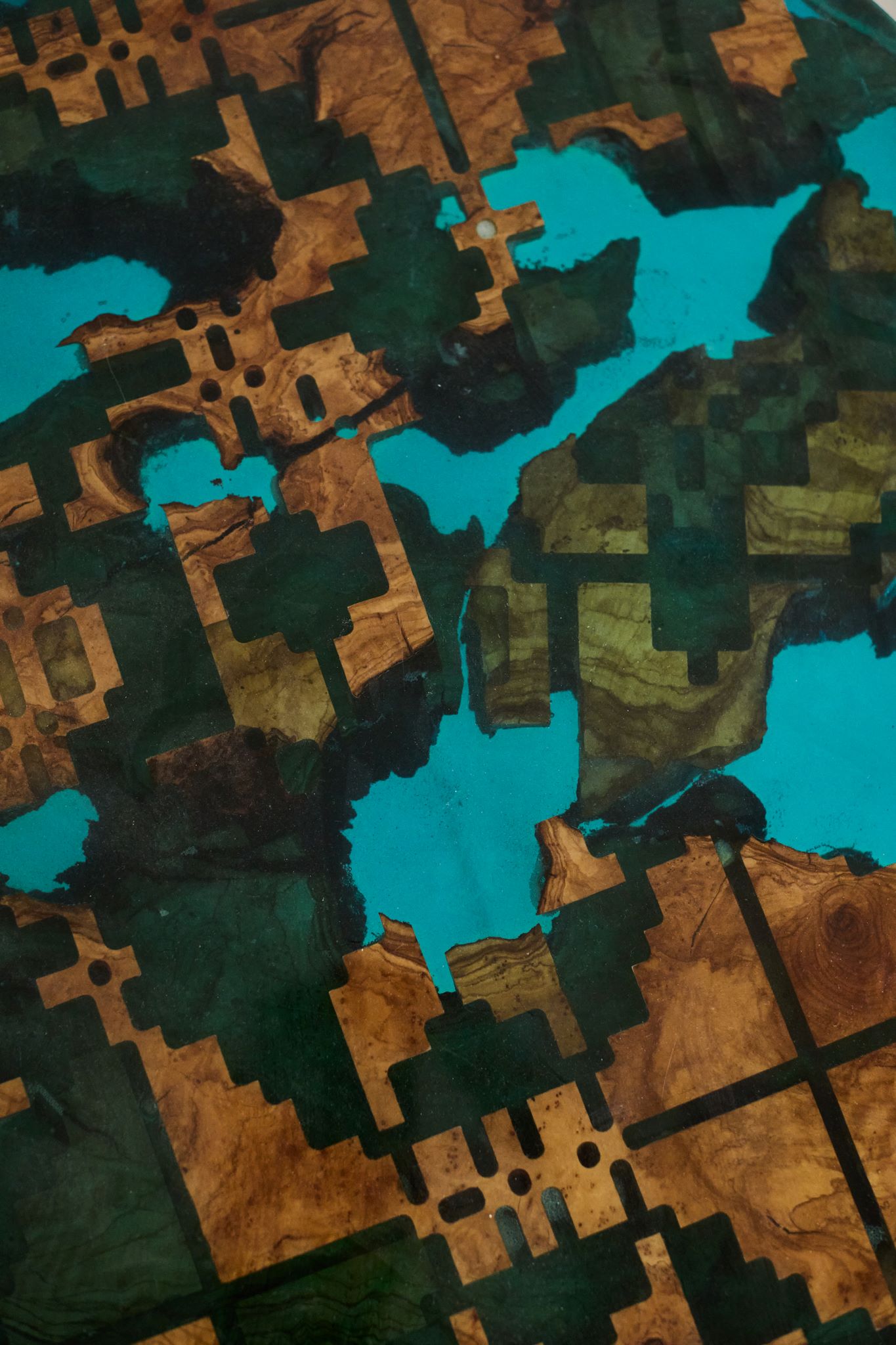
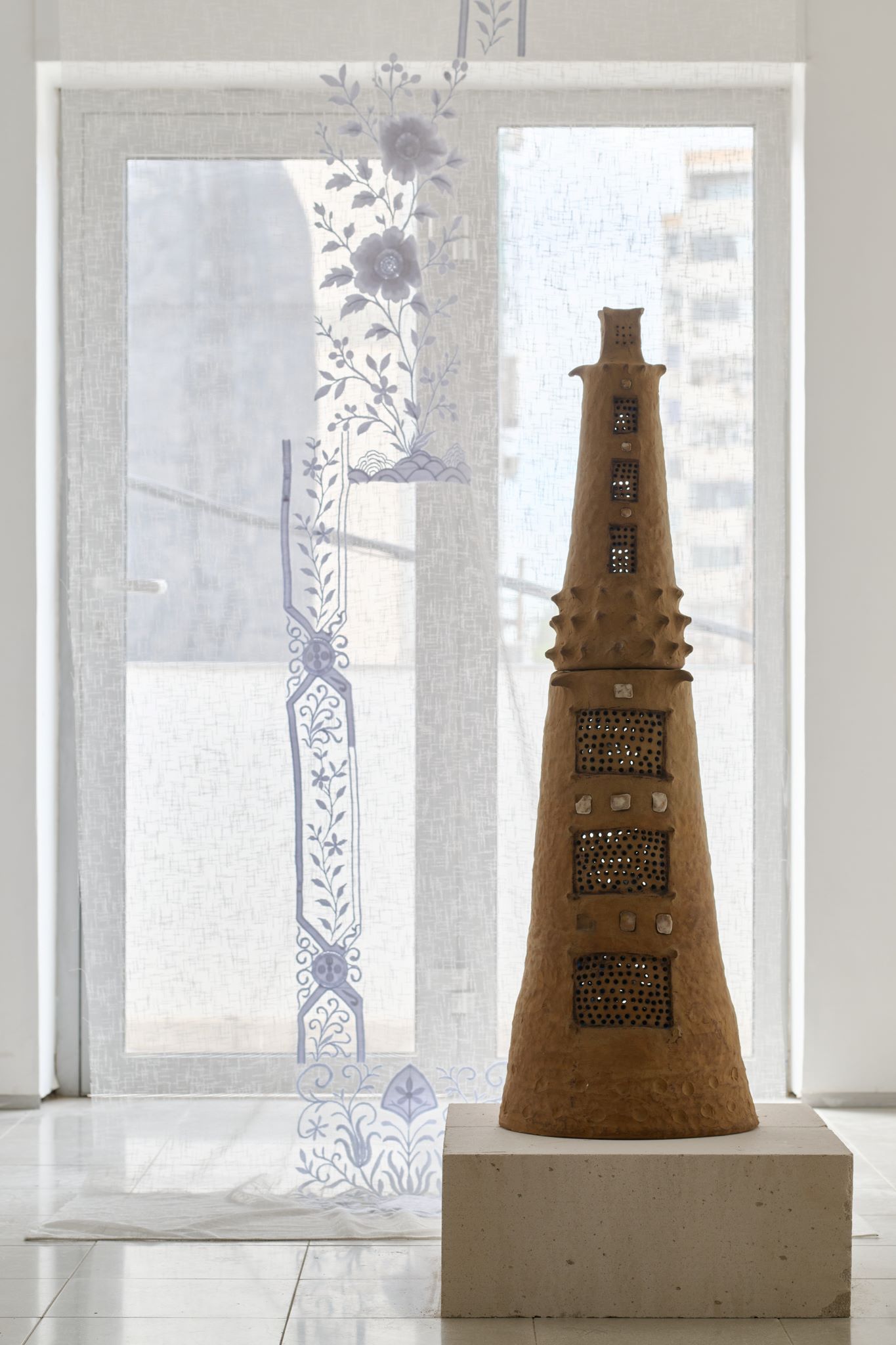
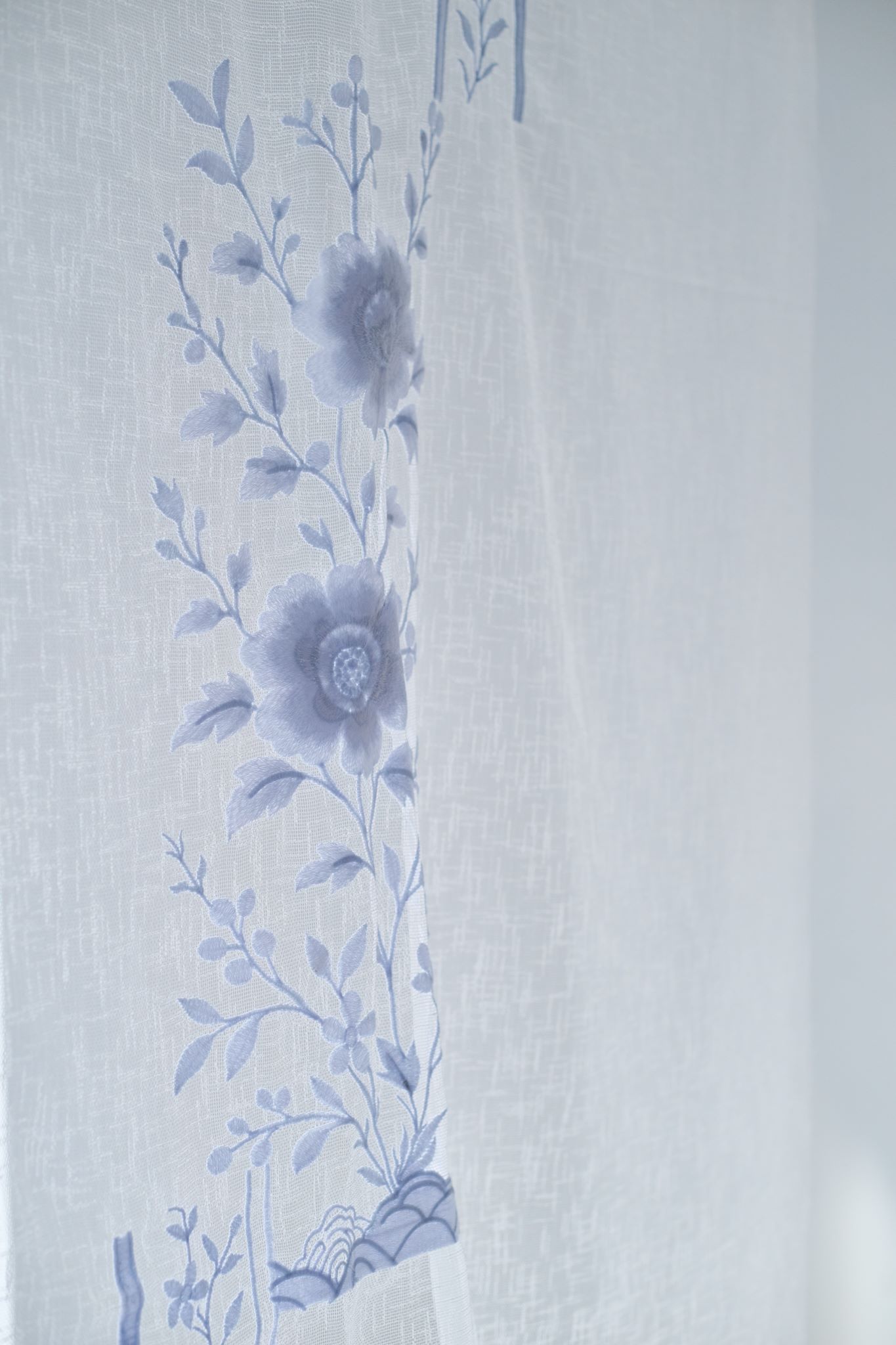
Sophie Abu Shakra (b. 1996) is an architect, artist, and designer born in Umm el-Fahem. Her first solo exhibition opened in 2023. Her work integrates tradition, natural and industrial materials, and digital technologies. From a female perspective, she examines the place of traditional crafts and patterns within digital language, creating a presence for them at the core of a predominantly Western coding. This encounter introduces into the evolving intelligence “the cultural materials she identified among her family members,” embedding within the digital code the symbols of the “Palestinian embroiderer” who used “embroidery to convey overt and covert messages through her dresses,” translating “symbols into meanings” using “colors and forms […] to express geographic location, family events, or beliefs.”[3]
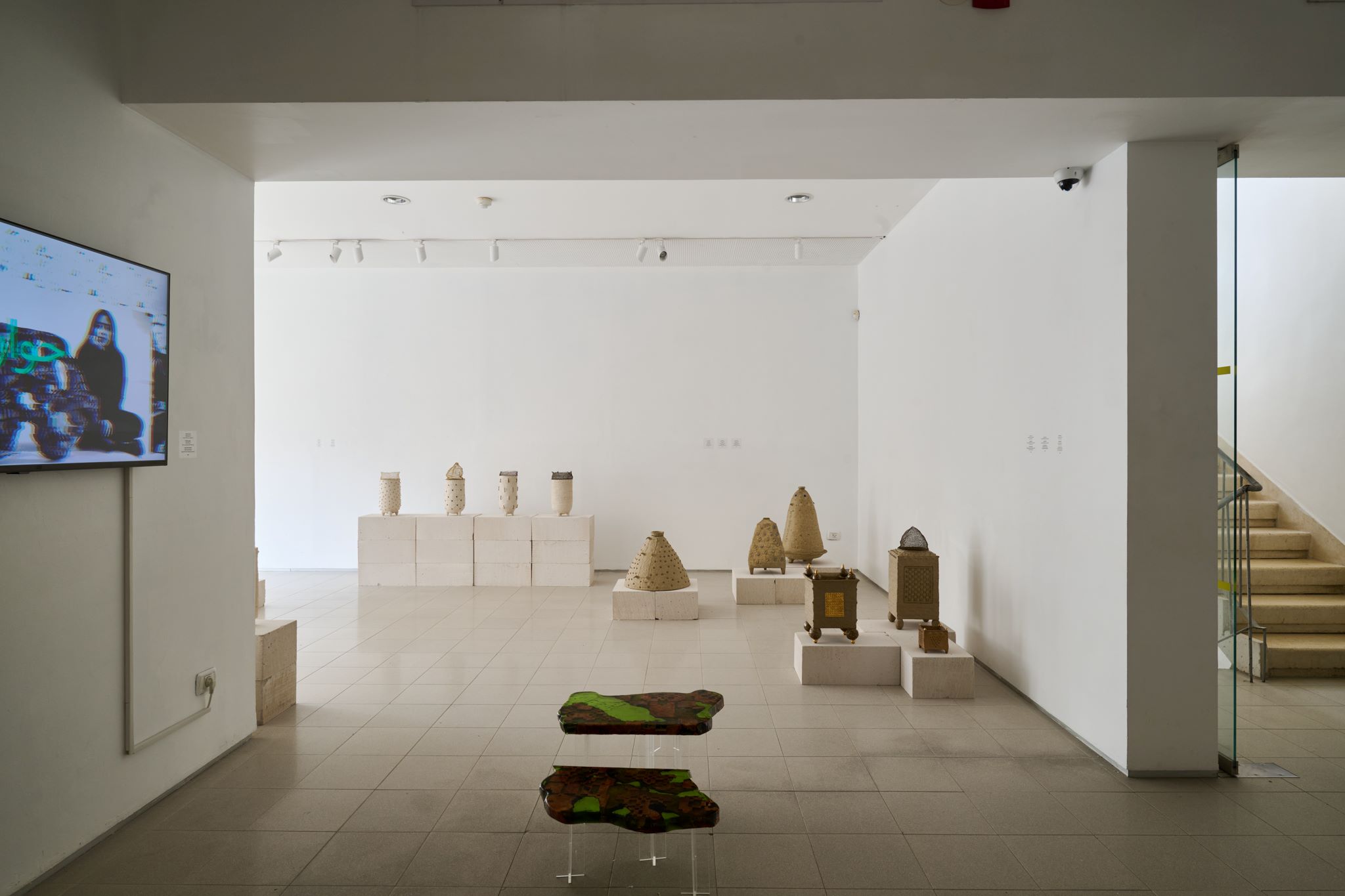
Through a dialogue with both traditional and contemporary architectural structures, Sophie and Tania move between design, craft, and art. The architectural outline enables them to search for cultural roots and contexts, moving from the object toward a field of imagery that harbors a universal query regarding a frayed Levant subjected to mutual denials. Unraveling within such a space signifies psychological and personal dilemmas intertwined with destruction and barriers. The unraveling enacted by Engelstein and Abu Shakra weaves an alternative tapestry of regional imagination amidst disintegrating elements.
Footnotes / References
- Michel de Certeau, The Practice of Everyday Life [Hebrew edition: Resling, 2012, p. 104].
- Shlomit Bauman, Mizrachi Nostalgia – Tanya Engelstein, Museum for Islamic Art, Jerusalem, 2006.
- Tal Frankel Alroy, Sofie Abu Shaqra, Present Absentee Code, Umm el-Fahem Museum of Art website.
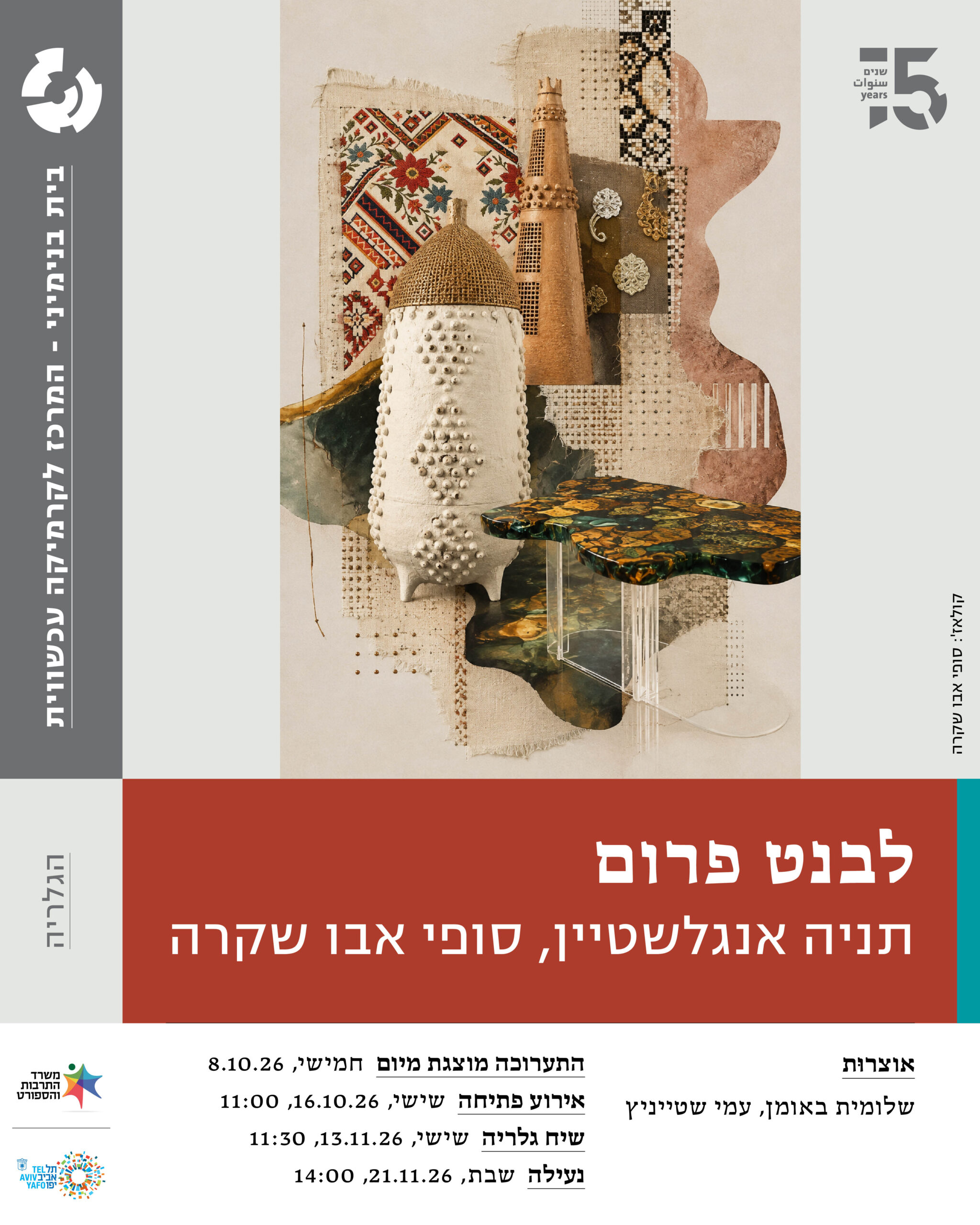
Curators: Shlomit Bauman, Ami Steinitz
Exhibition open: Thursday, 8.10.2026
Opening event: Friday 16.10.26, 11:00
Gallery talk: Friday, 13.11.2026, 11:30
Closing: Saturday, 21.11.2026, 14:00
